10
years of analytical expertise
Diagnostic service — Urban trees & green spaces
Amoterra's Diagnostic service detects pathogenic fungi involved in urban tree decline. A standalone service, distinct from MYCOTERROIR, dedicated to municipalities.
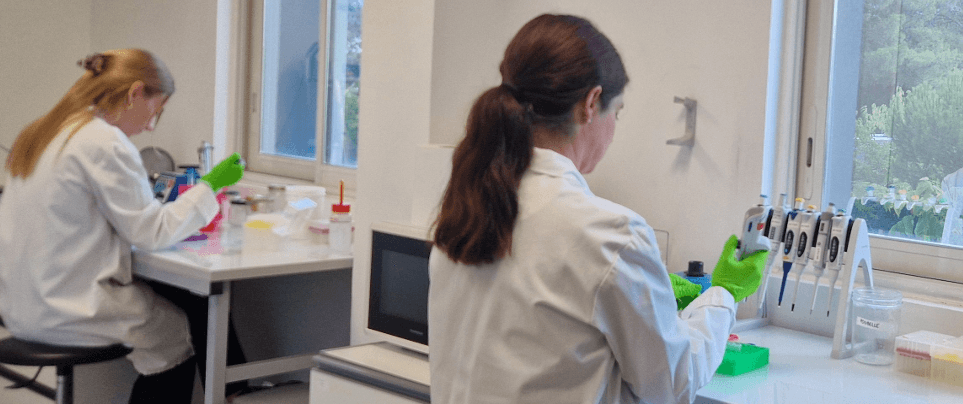
Diagnostic in figures
10
years of analytical expertise
> 90
municipalities and experts in our client base
> 1 000
samples analysed per year
Cities and green-space services: tree health responsibility is yours. You need fast, reliable pathogen identification.
Among our clients: Mulhouse, Roubaix, Montpellier, Paris, Versailles, Nantes Métropole, La Rochelle.
The service answers two complementary questions: plant health (which pathogen?) and soil biodiversity (what mycorrhizal potential?).
Plant health
Targeted pathogen analyses — confirm visual diagnosis, assess risk, adapt response.
Soil biodiversity
Global mycorrhizal analyses — know the mycorrhizal patrimony, follow stress impact, guide management.
Pathogenic or wood-decay fungi
DNA-based molecular detection identifies pathogens at species level.
| Pathogen | Description | Risk |
|---|---|---|
| Armillaria spp | Lignivores | |
| Ganoderma spp | Lignivores | |
| Hymenochaetaceae | Lignivores | |
| Perenniporia fraxinea | Lignivores | |
| Gymnopus fusipes | Lignivores | |
| Phellinus | Lignivores | |
| Fomitiporia | Lignivores | |
| Hericium | Lignivores | |
| Stereum | Lignivores | |
| Spongipellis | Lignivores | |
| Trametes | Lignivores | |
| Fomes fomentarius | Lignivores | |
| Phytophthora spp | Pathogènes | |
| Neofusicoccum parvum | Pathogènes | |
| Verticillium dahliae | Pathogènes | |
| Chalara fraxinea | Pathogènes | |
| Pythium spp | Pathogènes | |
| Ceratocystis platani | Quarantaine |
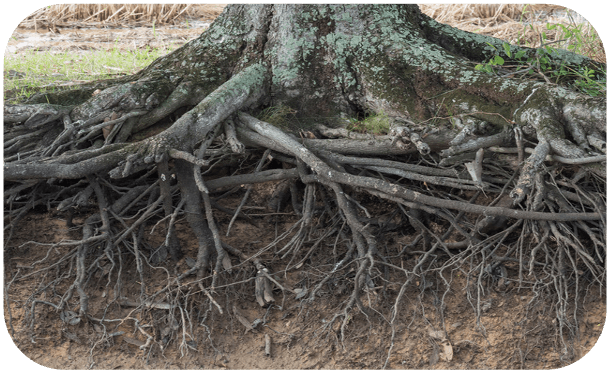
Branch
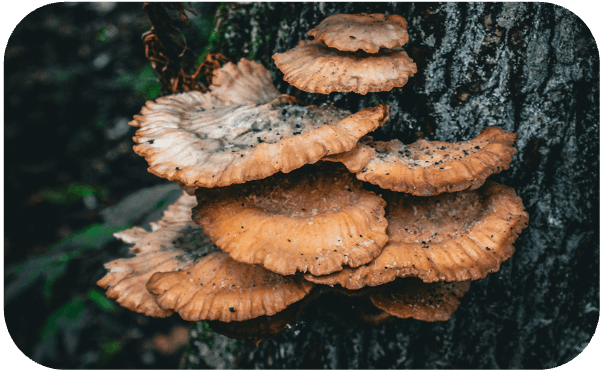
Trunk
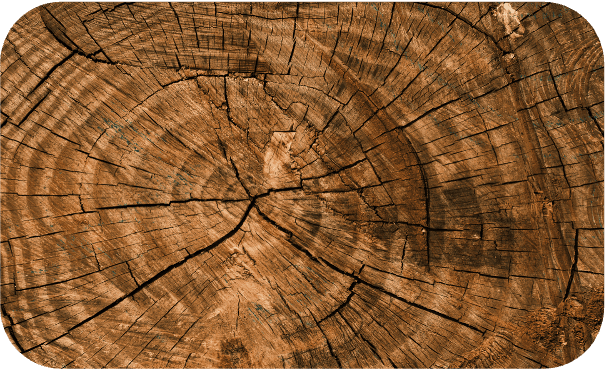
Fruiting body
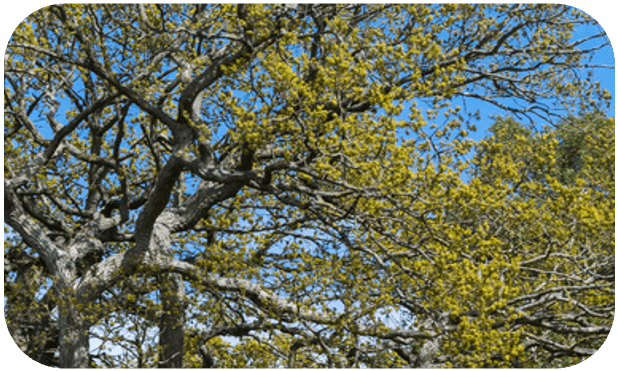
Root
Soil
Mycorrhizal fungi
The Diagnostic characterises mycorrhizal abundance and diversity.
Trades
Diagnostic is particularly relevant for urban-tree and sports-facility managers, and for landscapers supporting them.
Urban trees, parks, alignments: identify what threatens your tree heritage.
AMF in roots
AMF coloration in roots
Microscopic observation
Comparison with a mycorrhizal colonisation grid
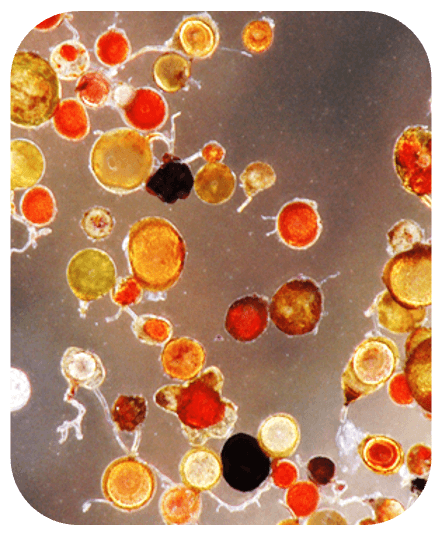
Viable AMF spores
Coloration of viable AMF spores
AI-based automated counting from image analysis (neural network with 1,800 initial objects, Amoterra model)
Sampling
DNA extraction
Amplification
Sequencing
Data analysis
Interpretation
Specialised AI for counting
Molecular precision at species level
Pedagogical support
Official Ceratocystis platani authorisation
Our molecular expertise rests on seven years of R&D and scientific validation.
See the scientific foundationStandalone service — distinct from MYCOTERROIR
Describe the situation, send us the samples — we'll prescribe the right method.
Diagnostic team
06 20 29 53 97 · 04 67 79 47 84
c/o MYCEA — 162 rue du Caducée
CS 75095, 34197 Montpellier Cedex 05