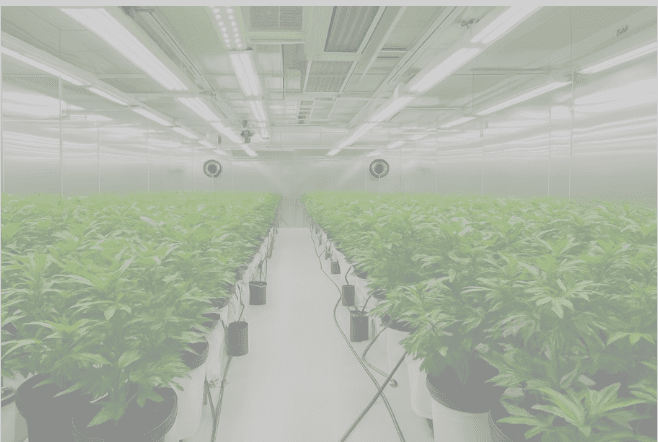
A protected production system
Amplification of local mycorrhizal communities in controlled conditions, using a proprietary biotechnology.
Amoterra R&D
Amoterra does not propose a disruptive technology. We put back to work a symbiosis that's 465 million years old, with contemporary tools that let us characterise, amplify and measure it.
What is the mycorrhizal symbiosis, the Wood Wide Web, and why 80 % of land plants depend on it.
Understand AMF
Sampling, biomolecular (DNA) analysis, extraction, amplification, formulation, application.
7 years of R&D, a proprietary database in continuous enrichment.
Frontiers in Microbiology publication, SITEVI Innovation Awards — Gold 2025.
Scientific institutions, universities, field collaborations.
A rigorous science page also states its limits.
For 465 million years, plants have outsourced to microscopic fungi what they cannot do: explore, solubilise, transport. In return, the plant provides up to 20 % of its photosynthesis sugars. 80 % of terrestrial plants still live by this symbiosis today.
Sampling
Soil and root samples are collected on the plot following a standardised protocol.
Characterisation
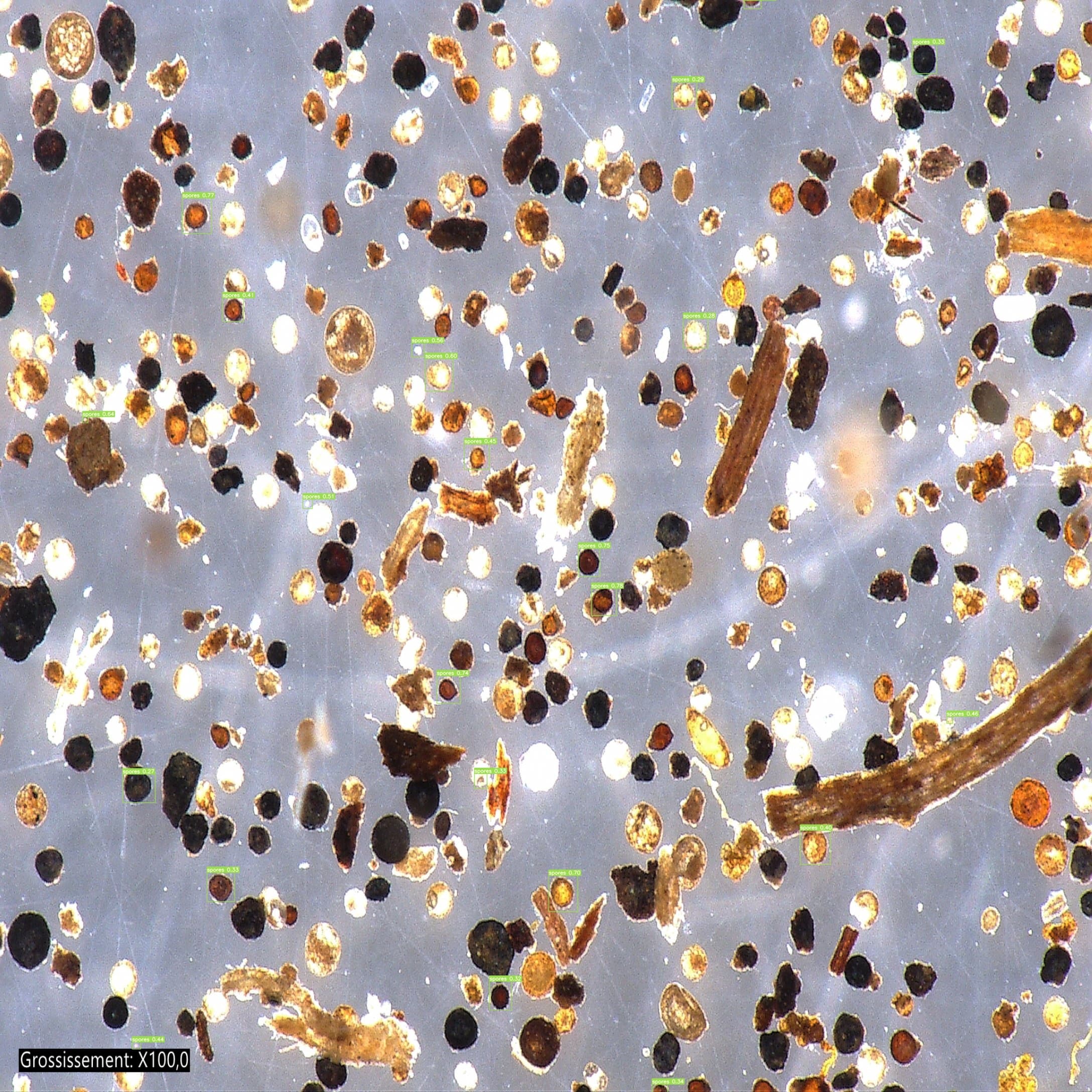
DNA and microscopy-based identification of the mycorrhizal fungi present on the site.
Species extraction
Selective extraction of spores and hyphae from viable local mycorrhizal species.
Amplification
Amplification of the extracted communities in controlled conditions until a usable mass is reached.
Formulation
Packaging the inoculum into a formulation suited to the intended application method.
Application
Application in the field during optimal windows — as close to the root as possible.
The technology
MYCOTERROIR® technology is the result of 7 years of R&D - the only service in France to amplify terroir mycorrhizal communities.
MYCOTERROIR® rests on:
A protected production system
Amplification of local mycorrhizal communities in controlled conditions, using a proprietary biotechnology.
The Amoterra reference
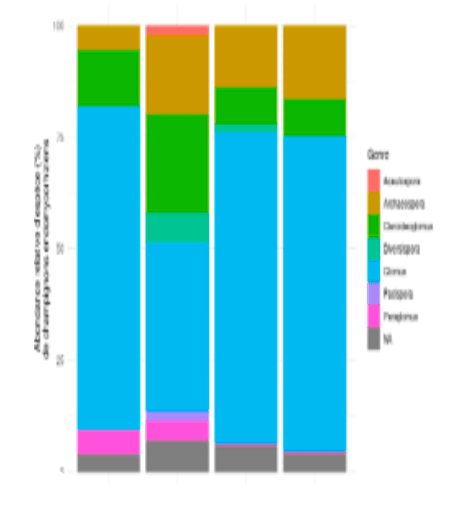
To qualify the mycorrhizal status of soil - a proprietary database enriched with every project.
7 ans
of R&D on French soils
50–70
mycorrhizal species per terroir
1 000+
samples analysed per year
Each project enriches the base. Each terroir characterised increases precision for subsequent projects.
Scientific publication
Our work on the amplification of local mycorrhizal communities has been published in Frontiers in Microbiology.
Award — 2025
MYCOTERROIR received the Gold distinction at the SITEVI Innovation Awards 2025.
Transparency
MYCOTERROIR does not replace a pathogen diagnosis: for biotic disease problems, a different service applies.
On highly contaminated soils (high heavy metals, persistent pollution), mycorrhizal reintroduction alone is not sufficient. We will say so.
On some conventional intensive agriculture protocols, the persistence of biological install is compromised by existing practices. We flag this before purchase.
We say what we know and what we don't. That is the posture that makes our words tenable.
Mycorrhizal service
The above science, applied to your terroir, with a soil analysis as entry point.
Standalone service
Molecular detection of pathogens for urban trees and green spaces: distinct from MYCOTERROIR.
The work led by Amoterra between 2019 and 2023 on terroir mycorrhizal communities has shown that every terroir has its own unique and specific mycorrhizal community, adapted to local soil, climate, crop and farming-history conditions.
Every terroir has its own mycorrhizal community: unique, specific, adapted to local soil, climate and crop conditions. That adaptation delivers:
Local origin of the fungi
Adapted to their environment: soil, climate, host plants, history of practices.
Greater species diversity
More services delivered to plants: nutrition, water, defence, soil structure.
Stronger plant resilience
Against climatic and biological hazards, in the long term.
Scientific publication
Peer-reviewed paper on the amplification of local mycorrhizal communities, in a reference journal of environmental microbiology.
Read the paperAward
Gold 2025, Viticulture and Arboriculture categories. A recognition of the technical maturity and the methodological singularity of MYCOTERROIR.
See the awardsProprietary reference
A national mycorrhizal database built on more than 1,000 samples per year, in continuous enrichment with every project.
See the R&D detailFurther reading
Find the publications, awards and R&D elements that document Amoterra's scientific foundation.
See the publications